Caminhos da formação em cerâmica

Em breve essa página vai reunir Informações sobre artistas, instituições e referências mencionados ao longo da minha palestra no CONTAF 2026, “Caminhos da Formação em Cerâmica”.

Muito obrigada ao Caio e à sua equipe pela realização desse encontro e aos participantes pelas conversas que sempre enriquecem meu modo de pensar sobre a cerâmica brasileira!

Para acompanhar o meu trabalho

Siga-me no instagram
Visite o meu portfólio
Assine a minha newsletter


Para entrar em contato comigo, clique aqui.

I deserve a rejection

Don’t leave me hanging

When I decided to make ceramics full-time and quickly found myself overwhelmed and directionless, I realized I needed a more granular plan than “make pottery → be successful.” So, at the start of every year, I wrote down three to five tangible, achievable goals ranging in complexity from something I knew I could do, to something that was quite a stretch. In my first year, this was the list:

Get 10 rejections
Get into 1 show
Publish an article

Gamifying rejection as an incentive to put my work out there went surprisingly well, and I began applying to shows and acquainting myself with the slow-burning angst of waiting for an answer. That was the chafing little grain of sand around which this here pearl of wisdom at last formed.

Because, you see, getting rejections was harder than I imagined. I'm not talking about being rejected, that was easy peasy. I mean actually receiving the rejection: the news, the update, the answer, the no. Unless my work was accepted, I often didn't hear back at all, and pieced together the outcome from public evidence: a gallery's instagram post congratulating the selected artists, someone celebrating their own acceptance, or simply the opening date passing. Eventually, I started emailing the organizers to ask for updates. Some didn't even reply to that. The more it happened, the more it grated on me.

I estimate the average application fee for a show or residency call to be around $30. In my first year, were I the budgeting type then, I would have had to earmark at least $300 for that. It’s not nothing, but this is not a rant against submission fees. Apart from the substantial expense of organizing and running shows, residencies, and other selection-based programs, the call and review process is, in and of itself, costly—time, labor, coordination, overhead, compensating curators and invited jurors, etc. If submission fees are a stream of revenue, by necessity or by choice, great. Make it work. Make a profit! I'm happy you're creating this opportunity for me. (It’s worth noting that there are people whose entire business model is collecting submission fees, and on the opposite end of the spectrum, there are organizers offering sliding scale fees, or waiving them altogether. My point still applies.)

Now that we've acknowledged money and the business aspect, let's be honest about what that means. The human connection and the spirit of the clay community nurture my soul, truly, but until I can pay for my application with vibes, the call/submission exchange is a transaction, not a favor. Setting aside the larger context of the opportunity, a call is an offer to have my work considered. What I am paying for with my submission is not the acceptance—I am paying for the evaluation. The decision is the deliverable, and a no is as much a part of it as a yes.

It's not unreasonable to expect that all applicants be contacted at the end of the selection process. This should be built into the plan. I know you have my email, and it's probably already in a spreadsheet. There are plenty of ways to automate a simple notification, and if all else fails, copy-and-paste should do.

This is a cynical take, I realize. A tad severe. It is also about professionalism and mutual respect, and about affirming that my effort and my money are not just incidental.

In lieu of a notification, I'll accept a refund.

John Neely, kindness, and the train kiln

I'm not one of the people who worked closely with John—their loss is far more personal than mine—but just a week before he passed, he gave me a token of his kindness and a memory to cherish. And to think I came very close to missing it.

See, I wanted to study with John. In the fall of 2023, driving home from Simon Levin's place in Illinois (where, fittingly, we fired his train kiln), I took a detour in Utah to go look at John's kilns at Utah State University, where he taught. Instead of a stealth kiln yard visit, I ended up crashing a meeting with his students. I exited as fast and politely as I could, and told my husband: “That guy… he invented train kilns.” I was starstruck.

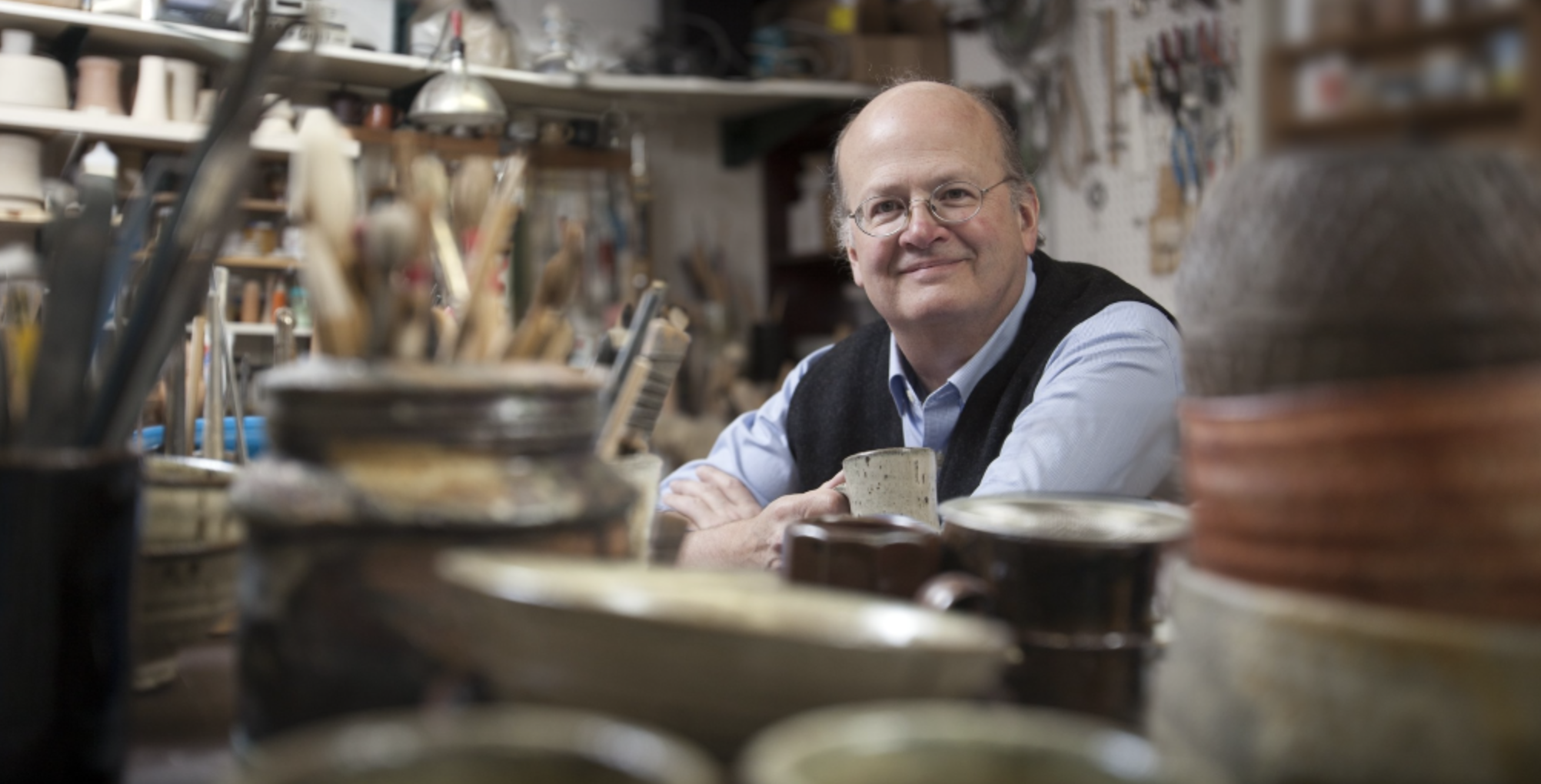
John Neely - Source: woodfirenc.com

Earlier this year, I applied to Utah State's MFA and was rejected. I received other rejections—and, for that matter, acceptances—but this one stung.

Fast forward to the Woodfire NC conference two weeks ago, which John helped organize and I attended as a speaker. Meeting a friend there who was also a USU reject, we joked about theatrically storming up to him: Yo, John? Recognize our names from the rejection pile? Quick question: how dare you? More seriously, I did think about approaching him, but figured he wouldn't know who I was, and if he did it would be awkward. I let it go.

On Sunday, May 25th, the conference was closing as the kilns from the pre-conference firings were being opened. I was feeling blue that day, and even though I had planned to drive around Seagrove to look at warm pots, when I got in the car I realized I only had the energy to go back to the hotel and take a nap before flying home. However, and I remember this distinctly, when I was pulling out of the Starworks parking lot I thought to myself: “Good things happen at kiln openings. Go.” So I drove to Takuro and Hitomi's studio.

As soon as I arrived, Takuro came over. It turns out that John had been looking for me the entire conference and had just reminded Takuro we had yet to meet. He wanted to explain to me why I wasn't selected for the program. Can you imagine? Takuro introduced us, and we chatted briefly about my portfolio, USU's requirements, the program I'll be attending (he already knew about that), and my talk at the conference (he missed it, but was excited to watch the recording). By the end of the conversation, the sting of that rejection had passed.

This was the highlight of the conference for me. And I'm grateful that, beyond kilns, John's legacy to me is his kindness.


I repeat to you what my gut told me that day—take it as advice: good things happen at kiln openings. Go.


The train kiln and us

John and his kiln challenge the idea that merit and authenticity come from hardship. Train kilns bridge a gap between tradition and accessibility that I don't think many people even realized was there until John named it.

They are the embodiment of ideas about what we choose to preserve and what we're willing to evolve when we fire with wood—adapting centuries-old processes to contemporary realities, being more efficient without losing depth.

They make firings more manageable—smaller crews, less time, fewer resources needed to build and fire—without sacrificing the magic that drew us to the process in the first place.

John and his kiln helped keep wood firing alive. Now we carry it forward.


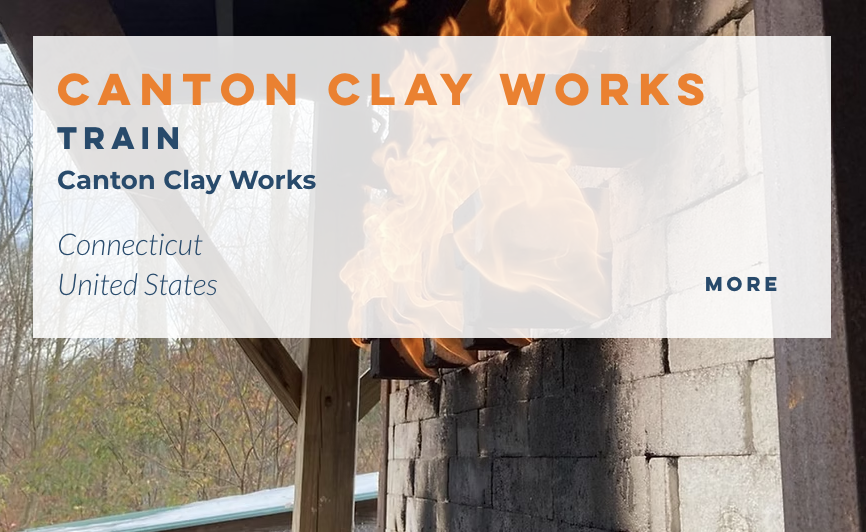
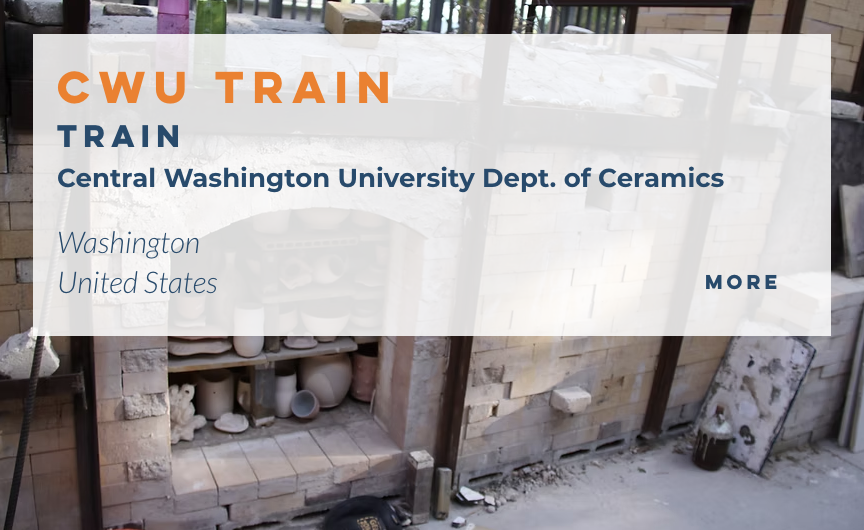
a few train kilns from Flash & Ash


To help me add more, go here.